Because the word is doing work the number should do.
Every chain calls itself decentralised. It is an adjective, it costs nothing to say, and almost nobody checks. The count exists, it is public, and it takes one request.
Proof of stake replaces mining with delegation, and delegation concentrates. Not through malice — through convenience. Large exchanges stake on behalf of their users, funds run their own validators, and the interfaces most people use nominate a default. Each of those choices is reasonable, and their sum is a set where a small room could stop the chain.
That number is public. It has always been public. It is simply never printed anywhere a buyer would see it, so the adjective goes unchallenged and the arithmetic goes unread.
The instrument is taking its reading.
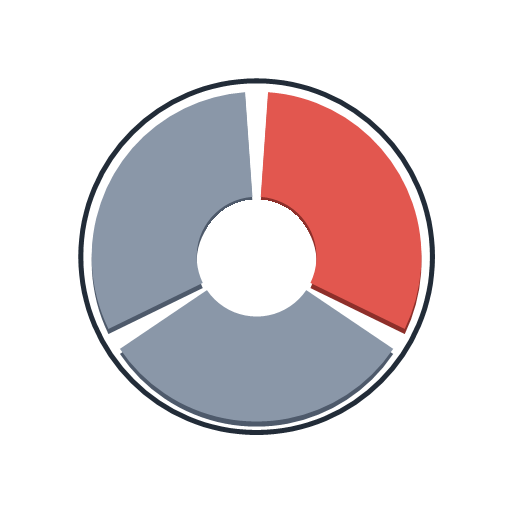
Consensus here needs two thirds of stake to agree. Anything above one third can therefore refuse, and the remainder cannot proceed without it. The threshold is not a judgement we made — it falls out of the protocol, which is precisely why it is the honest place to count to.
A site that picked its own threshold could move it whenever the number stopped being alarming. Ours is fixed by the thing being measured, and changing it would change the measure version and clear the record.
A coefficient large enough that no plausible room could reach it. Stake spread across operators nobody had to be told to choose. Delegation interfaces that showed this figure before the confirm button.
None of those requires anyone's permission. They require the number to be visible often enough that ignoring it becomes a choice rather than a default.
Nothing here needs to be taken on trust. The call is public, the arithmetic is four lines, and both are printed on the method page.
Not a claim that any operator would act. Not a claim that this chain is worse than another — most are tighter. Not advice about anything. A count, published often, so the word has to compete with it.